The creator presents a complete N5-to-N1 Japanese conversation book set from a first-person perspective, emphasizing the convenience of covering both everyday and workplace dialogue through one cart-ready collection.
The creator presents a complete N5-to-N1 Japanese conversation book set from a first-person perspective, emphasizing the convenience of covering both everyday and workplace dialogue through one cart-ready collection.
Unexpected facts or striking results can capture attention immediately. An opening such as “you can do that?!” quickly introduces a disruptive insight or outsized value, sparking curiosity and overturning the viewer’s existing assumptions.
This perspective makes viewers feel as though they are experiencing it firsthand. Handheld selfie shots show product details and the usage process, creating an immersive sense of authenticity that brings viewers closer and sparks purchase interest.
A seamless user experience or versatile functionality is key to a product’s success. Showing how easy it is to go from unboxing to use, or highlighting an all-in-one design with functions such as slicing, shredding, and juicing, effectively appeals to consumers seeking speed and convenience.
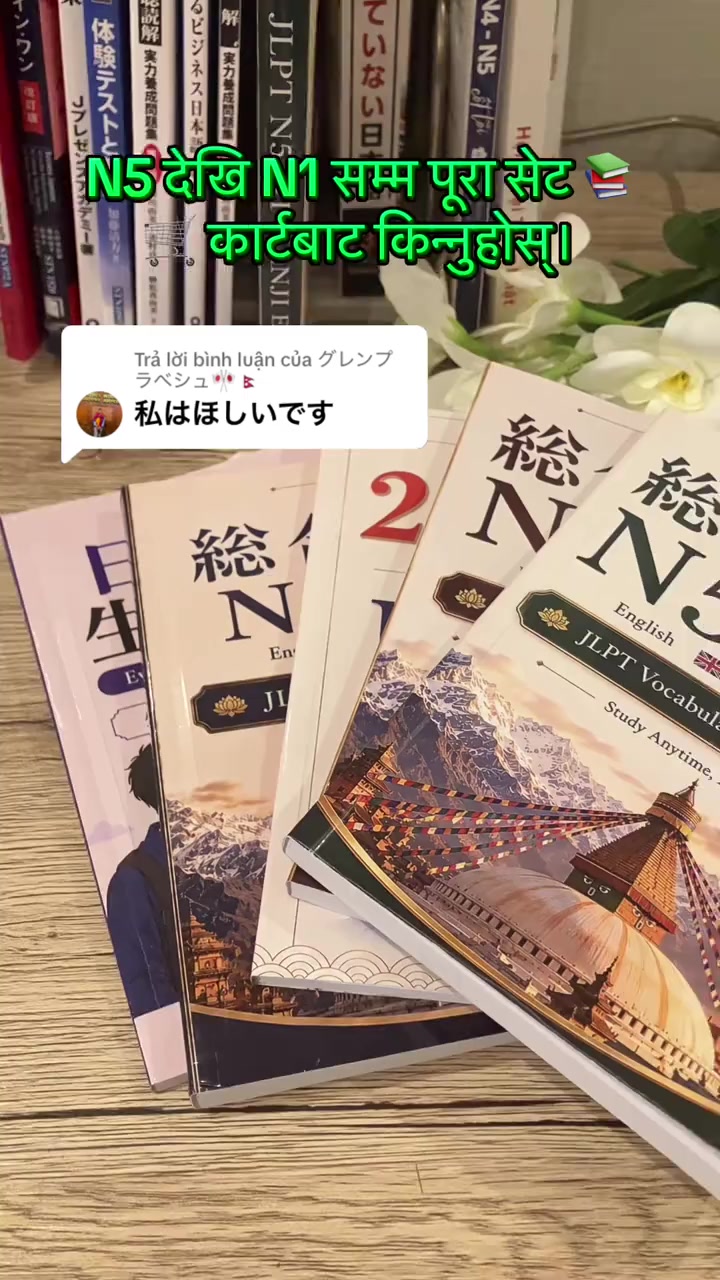
Complete book set from N5 to N1 with Japanese text 'I want it', JLPT grammar learning materials covering grammar knowledge points from N1 to N3, supporting multilingual comparison.
Product Selling Points
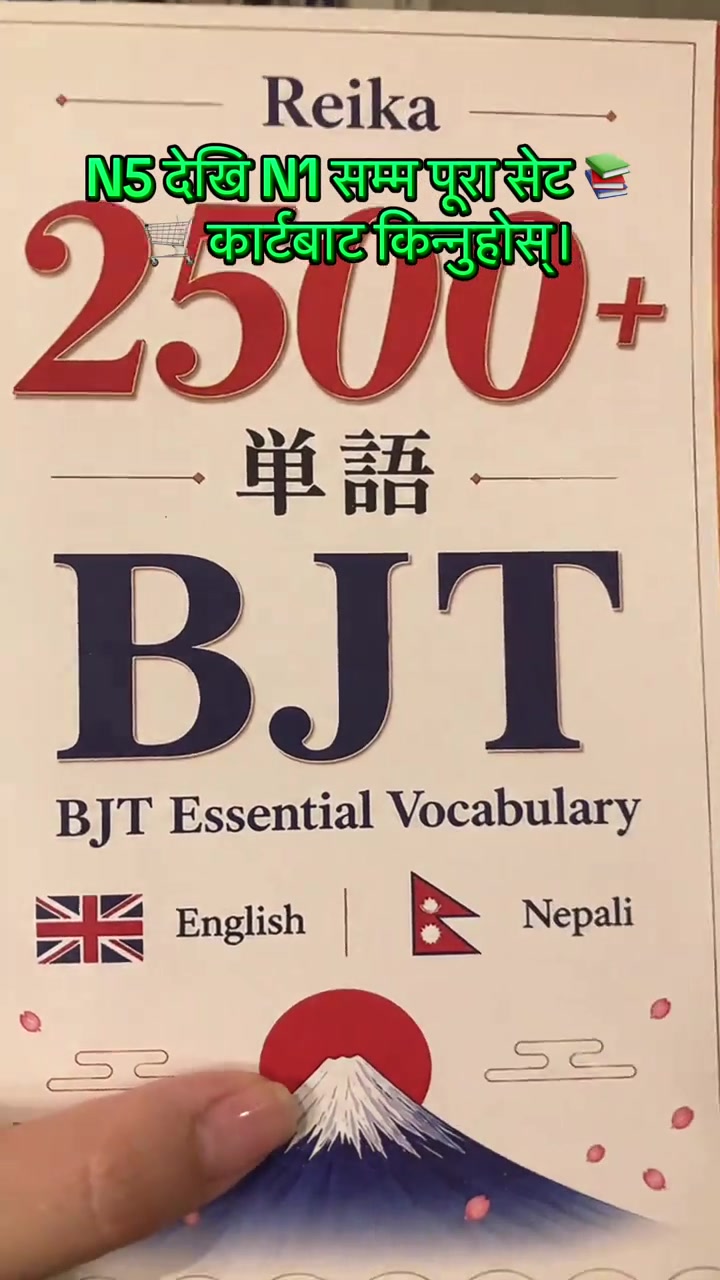
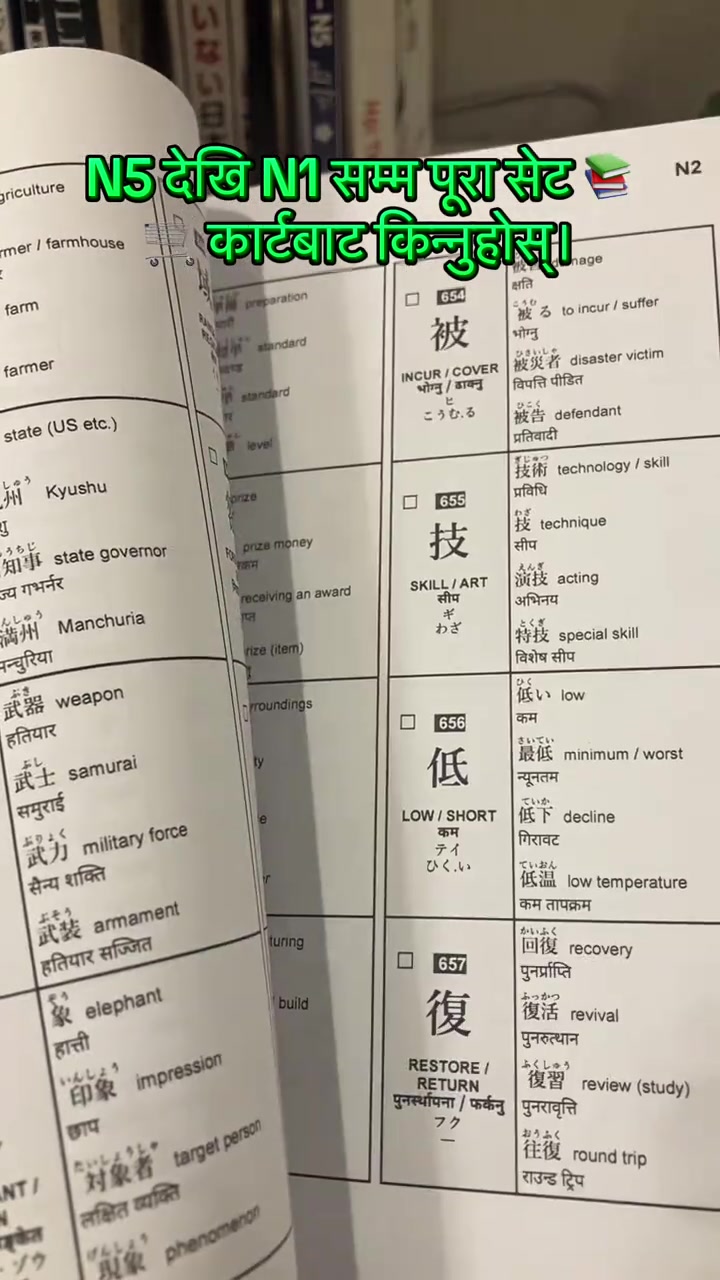
2500+ core vocabulary and 2136 Japanese kanji learning content, covering full-field professional vocabulary, analyzing kanji by N1-N2 levels to facilitate systematic memory for learners.
Applicable Scenarios
Daily Japanese conversation book covering practical conversation content for different life scenarios. The complete set of books is fully displayed to meet the JLPT full-level exam preparation and learning needs.
Storyboard breakdown
Close-up
The scene starts with a panoramic view of stacked Japanese learning books, a hand flips to show the multilingual vocabulary comparison pages, then presents the cover of the comprehensive grammar book and grammar knowledge pages from N1 to N3.
Close-up
Shows the cover of the 2500+ essential vocabulary book, flips through pages of professional domain vocabulary content, then presents the cover of the 2136 kanji learning book and flips through Japanese kanji analysis pages from N1 to N2.
Close-up
Presents the daily Japanese conversation book, flips through pages of practical conversation knowledge for different scenarios, and finally returns to the full panoramic view of the complete set of books neatly stacked on the desktop.
Frequently asked questions
Full set from N5 to N1 📚 Purchase from cart. video FAQ
Questions about this video’s creative strategy, creator, metrics, and creating a similar video.
What hook does this 日本語会話|Everyday & Working Japanese Conversations|जापानी दैनिक तथा product video use?
This video uses a “Shock-stat hooks” opening. The classification is based on the collected video content and available analysis fields, and can help explain how the first few seconds attract attention.
What selling angle and content structure does this video use?
Its primary selling angle is “Convenience angle” and its content structure is “First-person POV.” Use these as strategic references, then adapt the execution to your own product, audience, and brand voice.
Is Mai Huyen books the creator of this video?
The current dataset identifies Mai Huyen books as the video creator. The creator name links to the corresponding public TikTok profile when available; account details may change over time.
Can I use this 日本語会話|Everyday & Working Japanese Conversations|जापानी दैनिक तथा video to create a similar video?
Yes, you can use it as a creative reference. Octer extracts the hook, pacing, content structure, and presentation pattern, then combines them with your product information instead of directly copying the original footage.
Are the views, engagement, and product metrics shown in real time?
No. The page shows the most recently collected public video and product data. Values may lag because of platform updates, reporting periods, or market changes, so treat them as research signals rather than real-time reporting.
What should I consider when creating content from this reference?
Do not directly reuse the original creator’s footage, music, likeness, or brand assets. Confirm your rights to all product and generated assets, and follow TikTok Shop, advertising-market, and applicable local rules before publishing.